Painted Kitchen Cabinets: Materials, Enamel Finishes, and What Holds Up
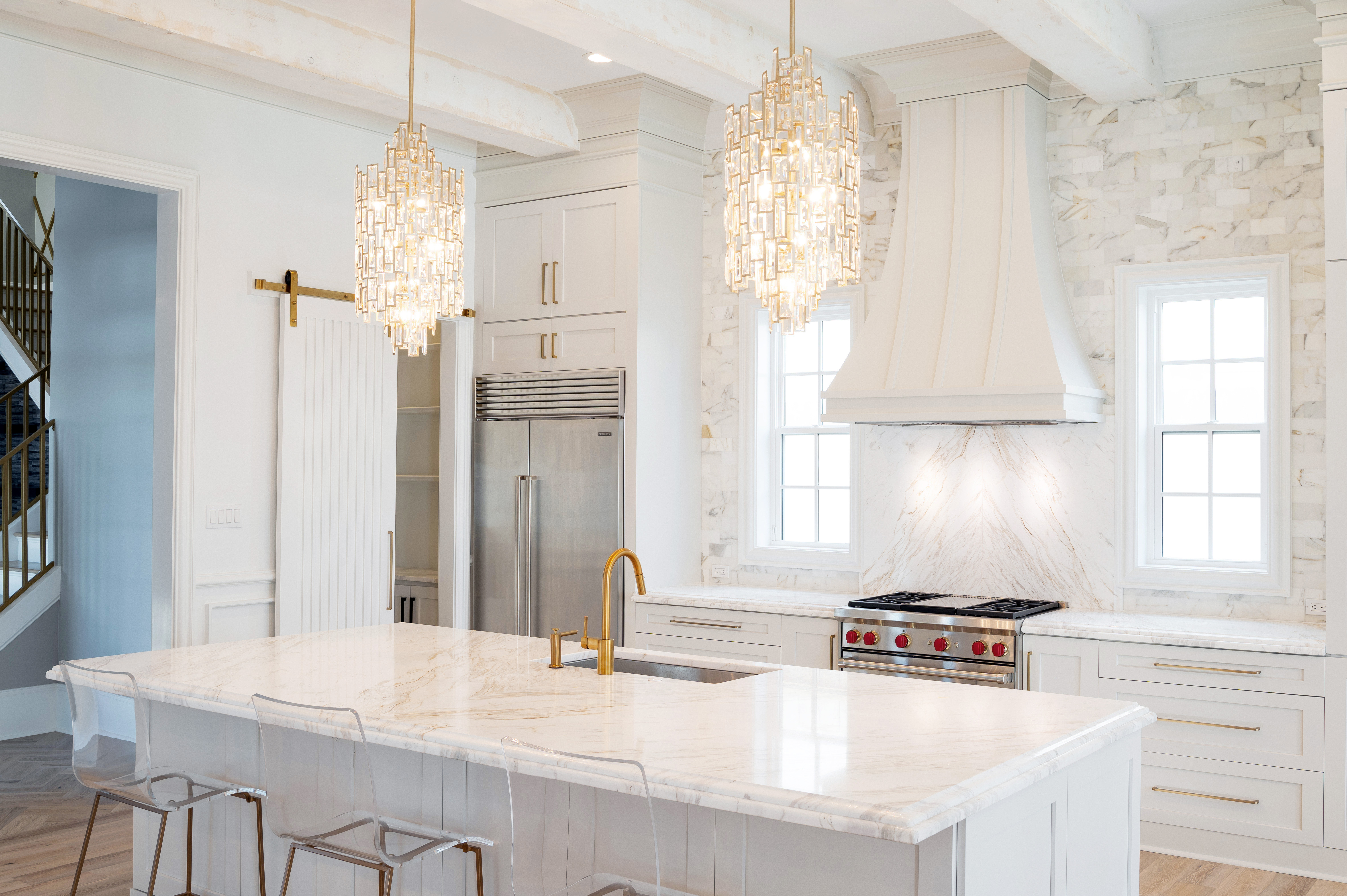
Painted cabinets are some of the most popular—and most beautiful—cabinets on the market today. They deliver looks stained cabinets simply cannot: clean whites, contemporary blues and reds, retro oranges, or a cranberry or sage island that accents rustic cherry or alder.
Many manufacturers have entered the painted cabinet business because of demand, but they are not all equal. When someone is selling cabinets—especially lower-end lines—they tend to stay away from anything but the positive. That is understandable, but if you intend to provide cabinetry for a customer or use it in an upscale project, you may need to answer for shoddy quality later. Here is what you should know before choosing a painted cabinet manufacturer.
Early mass-market painted maple programs taught the industry hard lessons—peeling, checking, and mineral streaks showing through. Today’s better paint programs use stable paint-grade frames and MDF centers, plus catalyzed enamel processes built for kitchens.
Why paint-grade isn’t “cheap particle board”
There is still a stigma among the general public about using anything they consider particle board. That fear usually comes from experience with a really cheap cabinet destroyed by a small amount of water. Quality MDF centers resist seasonal movement better than solid maple under opaque finish. The fear of “particle board” usually comes from water-damaged commodity cabinets—not factory enamel programs from reputable brands. The truth is that much of the particle board and MDF used in quality cabinetry is more rigid and sturdier than plywood or some of the softer hardwoods.
Solid maple doors are typically reserved for finishes with added distressing so you can sand edges and distress the surface—on that type of finish, natural streaks and wood character are expected.
Enamel process and craftsmanship
Beyond material choice, craftsmanship matters: the quality of door stock, the amount of sanding, and overall finishing discipline. When people come to us looking for an enamel finish, we still call it “painted” because that is the look you get—but the process is different. The enamel is typically a conversion varnish, similar to a stained finish, but tinted with an opaque enamel color instead of a transparent stain. It is sanded and given multiple coats with sanding and UV curing between coats. That produces a hard painted surface built to last.
For more on what separates quality cabinets beyond the spec sheet, see what makes a quality cabinet.
Brands, warranties, and color match
Because painting technology has evolved over the years, we speak most confidently about the manufacturers we represent. Most of them carry a lifetime warranty, which says a lot about confidence in the process. We see very few problems with enamel finishes from the name-brand and North American manufacturers we work with. Many also let you choose your own color from Sherwin-Williams or Benjamin Moore palettes, with custom matching available when you need it—it just takes a little longer and costs a bit more.
Most lines we represent offer painted programs with lifetime (or strong limited) warranties, and many match Sherwin-Williams or Benjamin Moore. Compare finishes on StarMark, Kith, Mouser, and others on Brands—or get a quote. Pros stocking painted packages: For Pros. Homeowners: For DIY. Cabinet Pro Supply is in Davenport, Florida—call 1-877-477-7784.